The STOP Obesity Alliance is a founding partner of the 7th annual Obesity Care Week.



The Online GLP-1 Marketplace
The Online GLP-1 Marketplace
July 31, 2026
A recent research letter published in JAMA by Chetty et al describes the experience of a secret shopper in obtaining GLP-1 receptor agonists (GLP-1 RA) from online sources.

Understanding PMOS
Understanding PMOS
June 30, 2026
PCOS was recently renamed polyendocrine metabolic ovarian syndrome (PMOS) to address the inadequate treatment that has resulted from its perception as a condition limited to fertility.

Lessons from the STOP Obesity Alliance: A Reflection on Obesity Advocacy
Lessons from the STOP Obesity Alliance: A Reflection on Obesity Advocacy
May 29, 2026
This month's author is, Aden Belay, MPH, the STOP Obesity Alliance student research assistant who recently graduated from the Milken Institute School of Public Health.
The STOP Obesity Alliance is a founding partner of the 7th annual Obesity Care Week.

Fast Facts – Adolescent Obesity
The Prevalence of Adolescent Obesity The U.S. obesity rate among adolescents aged 12 to 19 years old has risen to 20%, compared to 11% in 1988-1994.2 Disparities exist based on race and geographic location.
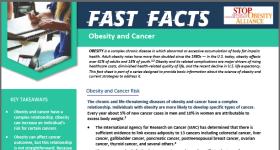
Fast Facts – Obesity and Cancer
The chronic and life-threatening diseases of obesity and cancer have a complex relationship. Individuals with obesity are more likely to develop specific types of cancer. Every year about 5% of new cancer cases in men and 10% in women are attributable to excess body weight.

With 42% of American adults now living with obesity, the ability of health care professionals to prevent and manage this disease is more important than ever.

Weight Stigma, Eating Disorders, and Obesity
As the COVID-19 pandemic continues to affect countries across the globe, more attention has focused on the link between obesity and severe COVID-19 illness.
On November 2-6, the STOP Obesity Alliance will join the Obesity Society for their 7th annual virtual Obesity Week Interactive.
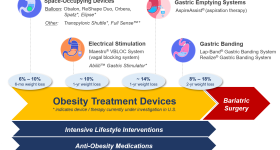
Review of Obesity Treatment and Devices
The emergence of several innovative FDA-approved obesity treatment devices may offer an additional therapeutic option for adults seeking obesity care. Designed to mimic the effects of restrictive and bypass surgeries, preliminary data suggest that obesity treatment devices typically produce 10-20% weight loss at one year that may be accompanied by significant metabolic improvement.
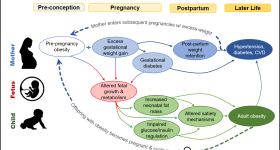
Maternal-Child Intergenerational Transmission of Obesity
A growing body of evidence indicates that obesity has a detrimental impact on reproductive potential in women. In addition to reduced fertility, maternal pre-pregnancy body mass index (BMI), excessive gestational weight gain, and postpartum weight retention are collectively associated with adverse fetal development, obstetric complications, and long-term health outcomes for mothers and their offspring.

Subscribe below to receive STOP's monthly email packed with insights from experts in obesity prevention and treatment, details on upcoming events, and exciting news from our member organizations!