The pandemic of COVID-19 has threatened the health and infrastructure of nations all over the world.



The Online GLP-1 Marketplace
The Online GLP-1 Marketplace
July 31, 2026
A recent research letter published in JAMA by Chetty et al describes the experience of a secret shopper in obtaining GLP-1 receptor agonists (GLP-1 RA) from online sources.

Understanding PMOS
Understanding PMOS
June 30, 2026
PCOS was recently renamed polyendocrine metabolic ovarian syndrome (PMOS) to address the inadequate treatment that has resulted from its perception as a condition limited to fertility.

Lessons from the STOP Obesity Alliance: A Reflection on Obesity Advocacy
Lessons from the STOP Obesity Alliance: A Reflection on Obesity Advocacy
May 29, 2026
This month's author is, Aden Belay, MPH, the STOP Obesity Alliance student research assistant who recently graduated from the Milken Institute School of Public Health.

The pandemic of COVID-19 has threatened the health and infrastructure of nations all over the world.
In December, researchers announced that almost half of all Americans could have obesity by 2030.

Fast Facts – Obesity in the Workplace
The average American will spend 1/3 of their life in the workplace. Obesity causes multiple chronic diseases, including cardiovascular disease, type 2 diabetes, and some cancers, as well as employee burnout and loss of productivity. The indirect costs of absenteeism and presenteeism associated with overweight and obesity among American workers may amount to more than $900 billion ($6,000 per employee).
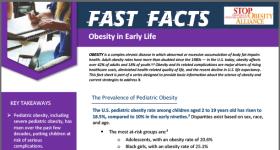
Fast Facts – Obesity in Early Life
The U.S. pediatric obesity rate among children aged 2 to 19 years old has risen to 18.5%, compared to 10% in the early nineties. Disparities exist based on sex, race, and age.

Fast Facts – Obesity Care Coverage
There are evidence-based treatments for obesity but there is no one-size-fits-all approach. Effective treatment may require a combination of modalities, making comprehensive coverage essential.
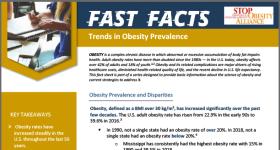
Fast Facts – Trends in Obesity Prevalence
Obesity, defined as a BMI over 30 kg/m2, has increased significantly over the past few decades. The U.S. adult obesity rate has risen from 22.9% in the early 90s to 39.6% in 2016.
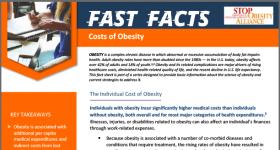
Individuals with obesity incur significantly higher medical costs than individuals without obesity, both overall and for most major categories of health expenditures. Illnesses, injuries, or disabilities related to obesity can also affect an individual’s finances through work-related expenses.
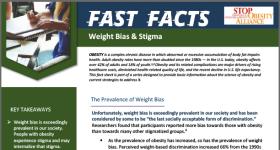
Fast Fact – Weight Bias and Stigma
Unfortunately, weight bias is exceedingly prevalent in our society and has been considered by some to be “the last socially acceptable form of discrimination.” Researchers found that participants reported more bias towards those with obesity than towards many other stigmatized groups.
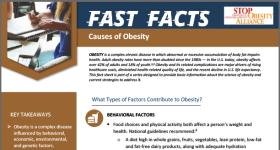
Fast Facts – Causes of Obesity
What Types of Factors Contribute to Obesity? Obesity is a complex disease influenced by behavioral, economic, environmental, and genetic factors.
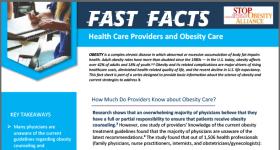
Fast Facts – Health Care Providers and Obesity Care
Research shows that an overwhelming majority of physicians believe that they have a full or partial responsibility to ensure that patients receive obesity counseling.3 However, one study of providers’ knowledge of the current obesity treatment guidelines found that the majority of physicians are unaware of the latest recommendations.

Subscribe below to receive STOP's monthly email packed with insights from experts in obesity prevention and treatment, details on upcoming events, and exciting news from our member organizations!